

 Thought Leadership
Energy Independence Bill: what the NSTA’s new role could mean for Scottish energy projects

13 Nov 2026
4 min read
This website will offer limited functionality in this browser. We only support the recent versions of major browsers like Chrome, Firefox, Safari, and Edge.
Thought Leadership
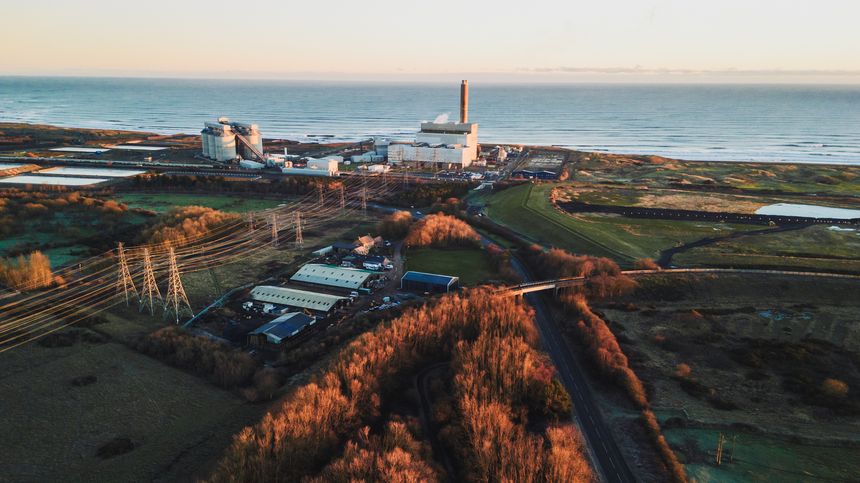


On 4 November 2026, the government introduced the Energy Independence Bill (the Bill) in the House of Commons. The Bill proposes wide-ranging reforms across the UK energy sector, including consumer protection, community benefits and reformed national pricing. One of the most significant proposed developments is a new statutory role for the North Sea Transition Authority (NSTA). Although the reforms focus on the NSTA’s offshore functions, their practical effects will extend onshore. Delivering the North Sea transition will require ports, landfalls, pipelines, cable routes, storage facilities and other infrastructure in Scotland.
Part 9 of the Bill would formally rename the Oil and Gas Authority as the NSTA, putting the name the regulator already uses on a statutory footing. More importantly, the Bill would replace the NSTA’s existing principal objective of maximising the economic recovery of UK petroleum with three new objectives.
Three new objectives to replace maximising economic recovery
Since 2016, the NSTA's principal objective has been to maximise the economic recovery of UK petroleum. The Bill would replace this with three objectives:
The NSTA would need to apply these objectives when exercising its powers, including where these objectives conflict. They would also apply across the NSTA's wider offshore remit, not just petroleum. Licence holders, operators and infrastructure owners would need to have regard to them, and the NSTA would be able to give directions and refuse certain consents where they do not.
The Bill also proposes a new system of transitional energy certificates. These would permit limited petroleum activity in specific circumstances, for example where:
The government’s response identifies carbon capture and storage, hydrogen storage and gas storage as activities where incidental petroleum production may be relevant.
Delivering the North Sea Future Plan
The reforms follow the government’s 2025 consultation “Building the North Sea’s Energy Future” and the resulting North Sea Future Plan. The government’s response identifies offshore wind, carbon capture, usage and storage (CCUS), hydrogen and decommissioning as the “cornerstones” of the North Sea’s energy future.
The Bill gives the NSTA objectives and tools to match that wider role. If enacted, the reforms mean that decisions on consents, field development and decommissioning will reflect net zero and transition considerations, as well as economic value.
Why does this matter for Scottish energy projects?
Offshore petroleum licensing and the NSTA’s remit are reserved to Westminster, but most of the North Sea transition will need land, ports and other assets in Scotland.
The NSTA framework will sit alongside separate Scottish regimes governing matters such as seabed rights, marine licensing, planning and relevant energy consents. Projects will therefore need to navigate both the evolving UK offshore regulatory framework and the applicable Scottish consenting and property regimes.
For developers, landowners, port operators and investors, this could mean:
How these considerations affect individual projects will depend on the NSTA’s approach to its new objectives. The North Sea Future Plan indicates that the NSTA will publish guidance explaining its decision-making framework, which should provide greater clarity for developers and investors.
Burges Salmon has extensive experience advising on offshore energy projects and the legal and regulatory issues arising across offshore wind, carbon capture and storage, hydrogen and infrastructure repurposing. We will continue to monitor the Bill as it progresses through Parliament and the development of the NSTA’s future regulatory framework.
If you would like to discuss what the Bill could mean for your projects in Scotland, please get in touch with Dixcee Fast (Partner, Energy), Lauren Winters (Director, Energy) or Patrick Munro (Partner, Planning).
 Thought leadership
6 November 2026




Thought leadership
3 November 2026



Thought leadership
22 October 2026

Thought leadership
20 October 2026

Want more Burges Salmon content? Add us as a preferred source on Google to your favourites list for content and news you can trust.
Update your preferred sourcesBe sure to follow us on LinkedIn and stay up to date with all the latest from Burges Salmon.
Follow us