

Autumn Budget 2026
Discover the latest reactions, insights and analysis of the Autumn Budget from our experts.
This website will offer limited functionality in this browser. We only support the recent versions of major browsers like Chrome, Firefox, Safari, and Edge.
Discover the latest reactions, insights and analysis of the Autumn Budget from our experts.
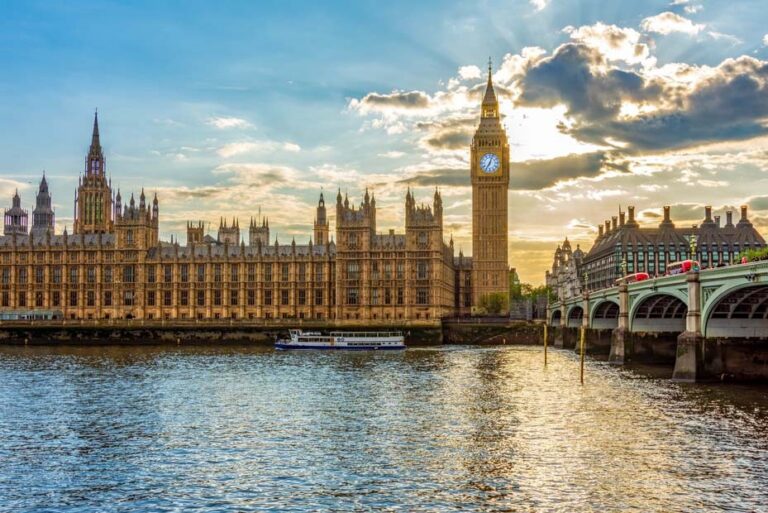
With speculation building around the Autumn Budget 2026, our specialists share their predictions on the tax, regulatory and policy measures that could have the greatest impact on businesses, sectors and private wealth. This hub will be continually updated to provide a single source of Burges Salmon’s Budget announcements, commentary and expert analysis as the measures are revealed and their implications become clear.
Chancellor Healey has been clear that this Budget, his first, will be “built on fiscal discipline”, while pursuing the Government’s ambition for growth in every part of the country. With manifesto commitments ruling out increases to income tax, employee National Insurance and VAT, the revenue-raising options are narrower than they may first appear. Capital gains tax is likely to remain firmly in the spotlight, and we can expect continued attention on business rates reform, property taxation and possible sector levies. Significant spending commitments on defence and social care will add further pressure to an already stretched fiscal position.
For businesses and their advisers, this Budget demands careful attention. A tightening of capital gains provisions would have immediate consequences for transaction planning, business disposals and succession arrangements. Any adjustments to business rates or new sector-specific levies could materially alter cost bases for businesses across the real estate, energy and technology sectors.
Equally, the Government’s devolution agenda – moving spending power and decision-making away from Westminster – may create opportunities for regionally focused businesses but will also introduce new layers of complexity in how public funding is channelled and how regulatory frameworks operate locally.
From a legal perspective, the pace of legislative and regulatory change is likely to quicken. Businesses should be prepared for consultations, secondary legislation and transitional provisions that may follow quickly on from headline announcements. Whether the changes concern property taxation, employment costs or capital allowances, understanding the mechanism and timeline – not just the headline – will be essential.

“What is certain is that standing still is not an option. The predictions set out by our teams below focus on the area’s most likely to be affected and what the potential impact could be. The detail will follow on Budget day; the time to prepare is today.”

Ross Fairley Senior Partner
The expected transfer of funding and decision-making from Westminster to local areas could reshape where businesses choose to invest and expand. If mayors are given powers to offer locally funded tax rebates, combined authorities could compete for investment through local tax policy for the first time.
Although the Budget will confirm the precise allocations, English metro mayors are expected to:
They may also gain powers to offer locally funded tax rebates to workers and businesses within their combined authority areas.
In a statement to Parliament on 30 July 2026, Andy Burnham said: “Under our plans, more of the taxes raised in a community will stay in that community.” John Healey MP added: “For the first time we’re giving Mayors a share of income tax so communities directly benefit when their economy grows – passing power out of Westminster and driving growth in every postcode.”
This matters because:
The groups most likely to be affected include:
Although mayors will receive a share of income tax, the proportion allocated to each has yet to be confirmed. The scope of locally funded tax rebates, and the conditions attached to them, also remain unpublished.
Whilst we wait for confirmation following the Budget, you could choose to:
The Budget is likely to adjust Small Business Rates Relief thresholds or taper and confirm eligibility for – and exclusions from – the 2027/28 relief for pubs, social clubs and live music venues, such as the threshold above which live music venues will be considered too large to benefit. A further RHL multiplier reduction is possible as is an increase in transitional relief to ease the impact of business rate revaluations effective from April 2026.
On 23 July, the government announced a 20% cut in business rates for pubs, clubs and live music venues from 2027/28 and declared that business rates would be revisited more widely in the Budget, specially mentioning Small Business Rates Relief. This is after the Prime Minister spoke of wanting high streets to be “symbols of Britain’s renaissance” (29 June 2006 – speech launching Number 10 North).
Relief eligibility and property classification will affect billing, compliance and disputes. Landlords and tenants should review rates-recovery provisions, including empty-rates exposure. Rateable value check, challenge and appeal rights may matter more, as may rent reviews and turnover or valuation assumptions.
High street occupiers of RHL properties, including pubs, socials clubs, hotels and live music venues are most likely to benefit from Budget measures on rates. Other non-high street businesses, or high street business not seen as making a positive contribution to the area, could suffer if measures to support those high street businesses are funded from the rates system itself.
The extent of the fiscal space available to make any changes is not clear. Precise details of eligibility for the pubs, social clubs and live music venues relief are awaited. The government has previously mooted the possibility of a move from a slab to a slice system of business rates and it is not clear whether or not this will be taken forward.
The applicable rate of tax on payments from surplus to pension scheme sponsoring employers has already been reduced from 35% to 25% from 6 April 2024. However, that reduction was made prior to the PSA26 reforms, due to come into force in April 2027, which aim to give pension schemes the tools to release surpluses that have hitherto been considered “trapped” and make it easier to share them with employers (and members). In this context, and with the Government keen to encourage defined benefit schemes to run on and invest their assets productively, we think there is scope for further movement on surplus taxation in this Budget.
In its May 2025 response to the 2024 “Options for DB schemes” consultation, the DWP said that it considered the “pensions tax framework is broadly balanced and fair” and highlighted the April 2024 reduction. However, it went on to say that it was “continuing to consider the tax regime for surplus extraction”.
A further reduction in the rate may be under consideration for 2027, if the Government is aiming to stimulate the DB run on market by providing a fiscal incentive alongside the removal of some legal barriers by the PSA26. Or perhaps provision could be made for a reduced tax rate to be payable where the released funds are used by the employer for a purpose the Government is keen to incentivise, be that increased employer contributions for the current workforce (likely to be in a DC arrangement), investment in its UK business or perhaps some ESG aligned goal (solar panels for example)?
Trustees and sponsors of DB schemes running with a surplus often look to make efficient use of those assets by, for example, enhancing contributions for the DC members of their workforce to address inter-generational fairness. DC scheme benefits are typically less generous, and the members usually younger (having joined the workforce after the DB scheme closed).
At the moment using surplus in this way without paying a 25% tax charge for refunding to the employer and then paying over to the DC members involves complex legal structuring. If the tax charge for a refund of surplus were reduced or waived where the employer used the money for a behaviour the Government wishes to incentivise (such as increased employer contributions for DC members), this process could be much more straightforward and accessible to a wider number of schemes.
Defined benefit pension schemes and their sponsors will be watching developments here closely, particularly those well-funded schemes who are considering a run-on strategy.
None of this is certain, or even likely. This sort of technical matter – where the proportion of the population affected is small, even though the numbers are big – tends to be buried in the Red Book rather than referenced in a Chancellor’s speech so look out for the detailed reports from pensions specialists on Budget Day.
Whilst we do not expect new employment law measures in the Budget, employment issues should still be high on the business agenda in October.
Following hot on the heels of the Chancellor’s budget on 28 October, on 30 October 2026 we see the introduction of a major new right allowing trade unions to access workplaces alongside a significant extension of the anti-harassment protections for workers.
Both reforms coming in courtesy of the Employment Rights Act 2025, this legislative behemoth is having, and will continue to impact of all businesses, and commensurate changes to employer costs could affect workforce planning and decisions for the year ahead.
Practical steps now:
Designed with employers in mind, our dedicated Employment Rights Act hub brings together our practical guidance, a timeline and the latest insights on what the reforms mean and how to comply.
The expected transfer of funding and decision-making from Westminster to local areas could reshape where businesses choose to invest and expand. If mayors are given powers to offer locally funded tax rebates, combined authorities could compete for investment through local tax policy for the first time.
Although the Budget will confirm the precise allocations, English metro mayors are expected to:
They may also gain powers to offer locally funded tax rebates to workers and businesses within their combined authority areas.
In a statement to Parliament on 30 July 2026, Andy Burnham said: “Under our plans, more of the taxes raised in a community will stay in that community.” John Healey MP added: “For the first time we’re giving Mayors a share of income tax so communities directly benefit when their economy grows – passing power out of Westminster and driving growth in every postcode.”
This matters because:
The groups most likely to be affected include:
Although mayors will receive a share of income tax, the proportion allocated to each has yet to be confirmed. The scope of locally funded tax rebates, and the conditions attached to them, also remain unpublished.
Whilst we wait for confirmation following the Budget, you could choose to:
The Budget is likely to adjust Small Business Rates Relief thresholds or taper and confirm eligibility for – and exclusions from – the 2027/28 relief for pubs, social clubs and live music venues, such as the threshold above which live music venues will be considered too large to benefit. A further RHL multiplier reduction is possible as is an increase in transitional relief to ease the impact of business rate revaluations effective from April 2026.
On 23 July, the government announced a 20% cut in business rates for pubs, clubs and live music venues from 2027/28 and declared that business rates would be revisited more widely in the Budget, specially mentioning Small Business Rates Relief. This is after the Prime Minister spoke of wanting high streets to be “symbols of Britain’s renaissance” (29 June 2006 – speech launching Number 10 North).
Relief eligibility and property classification will affect billing, compliance and disputes. Landlords and tenants should review rates-recovery provisions, including empty-rates exposure. Rateable value check, challenge and appeal rights may matter more, as may rent reviews and turnover or valuation assumptions.
High street occupiers of RHL properties, including pubs, socials clubs, hotels and live music venues are most likely to benefit from Budget measures on rates. Other non-high street businesses, or high street business not seen as making a positive contribution to the area, could suffer if measures to support those high street businesses are funded from the rates system itself.
The extent of the fiscal space available to make any changes is not clear. Precise details of eligibility for the pubs, social clubs and live music venues relief are awaited. The government has previously mooted the possibility of a move from a slab to a slice system of business rates and it is not clear whether or not this will be taken forward.
The applicable rate of tax on payments from surplus to pension scheme sponsoring employers has already been reduced from 35% to 25% from 6 April 2024. However, that reduction was made prior to the PSA26 reforms, due to come into force in April 2027, which aim to give pension schemes the tools to release surpluses that have hitherto been considered “trapped” and make it easier to share them with employers (and members). In this context, and with the Government keen to encourage defined benefit schemes to run on and invest their assets productively, we think there is scope for further movement on surplus taxation in this Budget.
In its May 2025 response to the 2024 “Options for DB schemes” consultation, the DWP said that it considered the “pensions tax framework is broadly balanced and fair” and highlighted the April 2024 reduction. However, it went on to say that it was “continuing to consider the tax regime for surplus extraction”.
A further reduction in the rate may be under consideration for 2027, if the Government is aiming to stimulate the DB run on market by providing a fiscal incentive alongside the removal of some legal barriers by the PSA26. Or perhaps provision could be made for a reduced tax rate to be payable where the released funds are used by the employer for a purpose the Government is keen to incentivise, be that increased employer contributions for the current workforce (likely to be in a DC arrangement), investment in its UK business or perhaps some ESG aligned goal (solar panels for example)?
Trustees and sponsors of DB schemes running with a surplus often look to make efficient use of those assets by, for example, enhancing contributions for the DC members of their workforce to address inter-generational fairness. DC scheme benefits are typically less generous, and the members usually younger (having joined the workforce after the DB scheme closed).
At the moment using surplus in this way without paying a 25% tax charge for refunding to the employer and then paying over to the DC members involves complex legal structuring. If the tax charge for a refund of surplus were reduced or waived where the employer used the money for a behaviour the Government wishes to incentivise (such as increased employer contributions for DC members), this process could be much more straightforward and accessible to a wider number of schemes.
Defined benefit pension schemes and their sponsors will be watching developments here closely, particularly those well-funded schemes who are considering a run-on strategy.
None of this is certain, or even likely. This sort of technical matter – where the proportion of the population affected is small, even though the numbers are big – tends to be buried in the Red Book rather than referenced in a Chancellor’s speech so look out for the detailed reports from pensions specialists on Budget Day.
Whilst we do not expect new employment law measures in the Budget, employment issues should still be high on the business agenda in October.
Following hot on the heels of the Chancellor’s budget on 28 October, on 30 October 2026 we see the introduction of a major new right allowing trade unions to access workplaces alongside a significant extension of the anti-harassment protections for workers.
Both reforms coming in courtesy of the Employment Rights Act 2025, this legislative behemoth is having, and will continue to impact of all businesses, and commensurate changes to employer costs could affect workforce planning and decisions for the year ahead.
Practical steps now:
Designed with employers in mind, our dedicated Employment Rights Act hub brings together our practical guidance, a timeline and the latest insights on what the reforms mean and how to comply.

Join our London seminar on 5 November for expert analysis of the Autumn Budget 2026 and practical insights on tax, succession planning, wealth preservation and asset protection.
Reserve your place
Your go-to resource on the incoming reforms and what they mean for employers.
Visit our hub Legal updates
1 October 2026

Thought leadership
29 September 2026
/Passle/5d9604688cb6230bac62c2d0/SearchServiceImages/2026-09-29-13-53-17-398-6abbc2cd155f6f59c63a6ccb.jpg)
Legal updates
27 January 2026