

 Newsletters
Employment Edit: 9 July 2026

9 Jul 2026
7 min read
This website will offer limited functionality in this browser. We only support the recent versions of major browsers like Chrome, Firefox, Safari, and Edge.
Newsletters



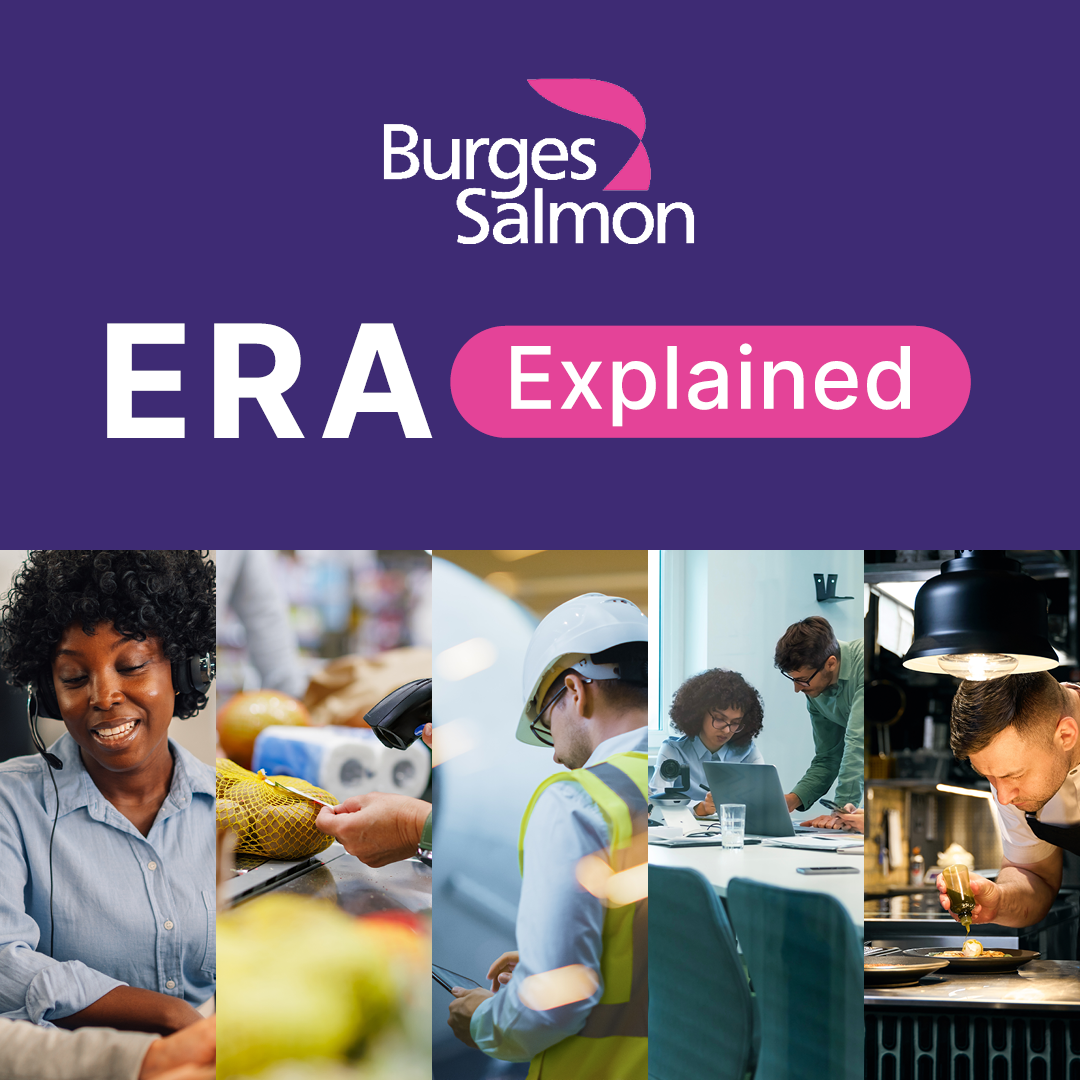
With Employment Rights Act updates and consultations coming thick and fast, it can be difficult for employers to identify what actions to take on the ground. That’s where our new podcast – ERA Explained – comes in. Each episode is designed to focus on what matters most – the steps your organisations should be taking now to manage risk, stay compliant and plan ahead.
In this mini-series, we focus on the impact of the reduction to the unfair dismissal qualifying period (from two years to six months) and the removal of the compensatory cap for such claims. With those changes coming into effect in January 2027, our first two episodes explore how employers should approach probationary periods in the new ERA world and consider the changing role of the line manager.
Watch or listen hereEarlier this week, the government published its response to the consultation into the draft code of practice on trade unions’ right of access. Under the new right of access, unions can seek access to a workplace for the purposes of meeting, recruiting or organising workers or facilitating collective bargaining. Access rights will be set out in enforceable ‘access agreements’, with such agreements either agreed between the employer and trade union or, where the union and employer are unable to agree, being determined by the Central Arbitration Committee (CAC).
With the new right set to come into force in October this year, the government has made several changes to the code of practice and has passed the final draft code, together with regulations detailing the new right of access framework, to Parliament. These changes to the code include:
We’re taking a closer look at the consultation response and the updated code and will be bringing you more detail on this shortly. For more guidance on how to prepare for the new right in the meantime, don’t forget to look at our blog post which considered the draft code.
Sticking with the industrial relations theme, earlier this month the government confirmed the scope of a new right for workers not to be subjected to detriments for taking industrial action.
In 2024, the Supreme Court determined in the case of Secretary of State for Business and Trade v Mercer that, under existing legislation, workers do not have statutory protection against sanctions short of dismissal where they take part in lawful strike action during working hours. The Supreme Court went on to find that the failure to protect workers in this way is incompatible with Article 11 of the European Convention on Human Rights, which protects freedom of assembly and association and incorporates the right to strike.
To correct this, the ERA 2025 contains a new right for workers not to be subjected to “detriment of a prescribed description” by their employer where the sole or main purpose of the detriment is to prevent or deter the worker from taking protected industrial action or penalise them for doing so. Having consulted on two options for its approach to defining “detriment of a prescribed description”, the government has now responded to the consultation and issued draft regulations which prohibit all detriments for taking industrial action. This protection is set to take effect from 30 October 2026.
Last week, the government launched a new consultation into holiday pay compliance and enforcement.
A new single enforcement body, the Fair Work Agency (FWA), was established in April 2026 to enforce certain employment law rights, including National Minimum Wage (NMW). The FWA brings together several existing enforcement bodies and powers, in order to create a single point of contact so that workers know where to go for help.
The ERA 2025 includes provisions which would enable the FWA to investigate compliance with holiday pay requirements and to take enforcement action where necessary. To date, where a worker thinks that they have been underpaid holiday, the only route for them to pursue this has been through a tribunal or civil court claim (potentially with the support of their trade union). The consultation launched last week explores which aspects of holiday pay compliance the FWA will enforce and how it will go about enforcing it. The government’s proposals include the following:
The consultation is set to close on 22 September 2026.
Read moreTuesday 14 July 2026, 12:00–12:45
From 1 September 2026, the FCA’s new rules will formally classify serious non-financial misconduct, creating new challenges for firms balancing regulatory expectations and employment law risk. During this webinar, our speakers James Green and Carlene Nicol will discuss key considerations, areas of risk and how organisations can position themselves ahead of the changes.
Register here22 September 2026 (Edinburgh)
We are pleased to announce that we will be running our popular in‑person panel event on managing performance and dismissal risk in Edinburgh this September. Offering plenty of opportunity for discussion, we’ll explore what the unfair dismissal changes mean on the ground, and how, as an employer, you can respond effectively. To find out more about what we’ll be covering or to book a place, follow the link below.
Register hereOur financial services specialists have published a series of articles on the FCA’s new rules on non-financial misconduct, which come into force on 1 September 2026. In the first article, we focus on key issues for HR professionals and other individuals with responsibility for people issues in regulated financial services firms. In the second, we look at when behaviour in an employee’s private life might become a regulatory issue. Links to both articles are below.
The series of articles will culminate in the lunchtime webinar detailed above – if you’d like to join us on 14 July 2026, don’t forget to sign-up using the details in the events section above.
Key issues for HR Private life issuesWant to know more about the Employment Rights Act 2025? Our hub is a treasure trove of practical employer resources.
Visit the hubWe will use your contact details to send you emails about the latest Employment news, thought leadership and events.
Sign up now/Passle/5d9604688cb6230bac62c2d0/SearchServiceImages/2026-10-19-11-27-22-443-6ad5fe9a0d35d5e97b56b1b0.jpg)

 Thought leadership
14 October 2026
/Passle/5d9604688cb6230bac62c2d0/SearchServiceImages/2026-10-14-10-48-15-509-6acf5def5707bcf1c6b174f7.jpg)
Podcasts
7 October 2026 • 6 min read

/Passle/5d9604688cb6230bac62c2d0/SearchServiceImages/2026-09-27-09-43-09-263-6ab8e52dcf64236a0b73f8a3.jpg)
Podcasts
24 September 2026 • 6 min read

Thought leadership
22 September 2026
/Passle/5d9604688cb6230bac62c2d0/SearchServiceImages/2026-09-22-14-38-50-554-6ab292fac925049863717962.jpg)
/Passle/5d9604688cb6230bac62c2d0/SearchServiceImages/2026-09-21-11-16-47-044-6ab1121fec22d9313bf52748.jpg)

Want more Burges Salmon content? Add us as a preferred source on Google to your favourites list for content and news you can trust.
Update your preferred sourcesBe sure to follow us on LinkedIn and stay up to date with all the latest from Burges Salmon.
Follow us