

 Legal updates
Let’s stop heat going down the drain: How can heat from sewers be used in district heating?

12 Aug 2026
6 min read
This website will offer limited functionality in this browser. We only support the recent versions of major browsers like Chrome, Firefox, Safari, and Edge.
Legal updates
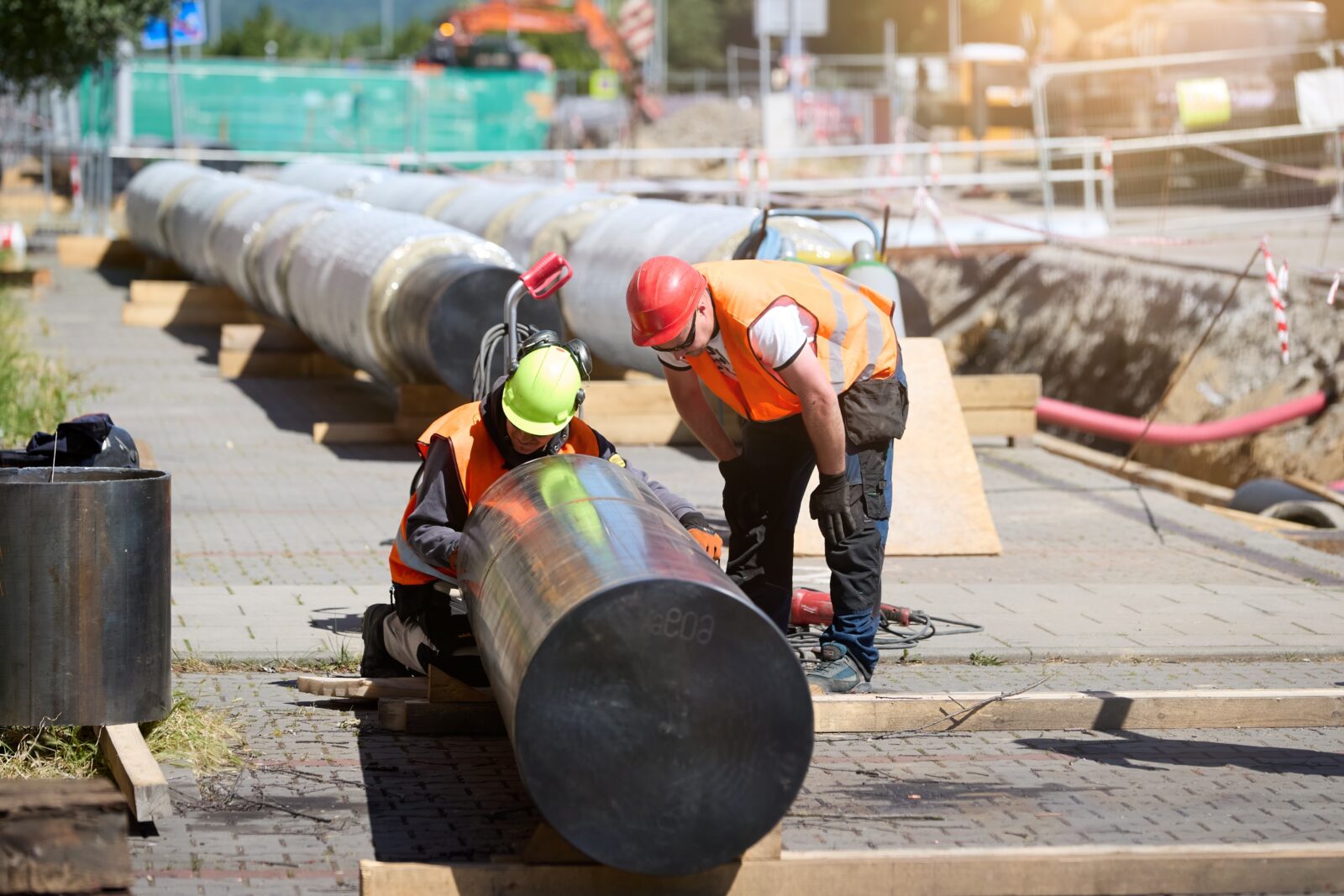


Heat recovery from pipes, sewers and wastewater offers a brilliant opportunity for us to take advantage of the heat energy in wastewater, providing a co-located source of heat which is both reliable and sustainable. This resource, as observed by Ofwat, ‘remains largely untouched’ yet, for heat network developers, it offers a stable low carbon heat source in dense urban areas. For appointed water and sewerage companies (“WaSCs”), it has the potential to generate additional net revenue from an activity they are already carrying out.
The promise of network decarbonisation, coupled with the harnessing of existing infrastructure, makes wastewater an increasingly attractive source of recoverable heat. However, set in the context of ongoing regulatory reforms of critical water and wastewater infrastructure and, in light of the fact that WaSCs are already subject to strict obligations around resource and infrastructure resilience, service delivery, environmental performance, governance and customer protection, WaSCs will want to make sure (and Ofwat will expect):
Whilst there are clear commercial opportunities for both WaSCs and heat network developers, there are also various regulatory considerations which will need to be addressed from the outset, to ensure that the interface between the regulated and the unregulated (heat access) business will not compromise the WaSC’s existing statutory duties. That interface determines how risk is allocated, how shared assets are priced, what governance is required, and how Ofwat will expect the business to protect customers from cross subsidy and operational detriment.
Sewage collection, conveyance, treatment, and disposal all sit within a WaSC’s regulated appointed business, whilst providing access to or selling heat, developing an energy proposition, or taking demand risk on a heat network will generally sit outside that core regulated activity. Therefore, WaSCs will need to ensure there is a clear separation between the activities necessary to deliver wastewater services and any activities concerning the supply of heat to a network developer.
From a delivery model perspective, we expect that WaSCs will want to ensure that the regulated arm of its business provides controlled access to the wastewater asset and retains only those risks it must own as network operator, while the unregulated heat business might take construction, offtake, revenue, and wider market risk. Depending on risk appetite, the structure of the arrangement may involve the WASC agreeing to supply an agreed amount of heat or agreeing only to provide access to a heat source on negotiated terms, while accepting no responsibility for ensuring that any amount of heat is available to the heat network developer.
Any wastewater asset which is considered to be a potential heat source for connection will form part of the respective WaSC’s network, which in turn is regulated through core legislation such as the Water Industry Act 1991 (“WIA 1991”). The WIA 1991 sets out statutory parameters around what can be done with and to WaSC’s assets, including land disposals. Where the arrangements involve grants of rights over/in relation to the WaSC’s relevant land such that they constitute a ‘disposal of protected land’ under the WIA 1991 and the WaSC’s Instrument of Appointment, Ofwat’s prior consent may be required, which in turn may be conditional on the WaSC securing the ‘best price possible’ for the disposal.
If the arrangements involve the grant of exclusivity (either as between the regulated and non-regulated sides of the WaSC’s business or between the WaSC and a heat network developer) then competition law considerations may also be relevant. The parties will therefore need to give careful consideration to the contractual arrangements to ensure that they do not fall foul of fair market competition.
Evidently, the way any heat recovery from wastewater project is structured will need to have due regard to the existing regulatory parameters within which WaSCs operate. Developers will require enough site access, performance data, and operational certainty to support financing and long-term customer commitments, whilst WaSCs will require a delivery model which ensures continuity of statutory wastewater service delivery and regulatory compliance that does not expose customers to any non-regulated commercial risk.
These considerations currently point towards a delivery model in which WaSCs develop both a formal commercial interface between the WaSC’s regulated business and the WaSC’s non-regulated business on acceptable terms to both sides (in other words, an arms-length transaction under RAG 5.07 – Guideline for transfer pricing in the water and sewerage sectors) and a commercial relationship/offering between the WaSC’s non-regulated business and relevant heat network developers. However, given the nascency of the market and the ‘once-in-a-generation’ sector reforms currently being tabled, it is possible that we may see alternative structures developing in future in line with the changing regulatory landscape of both the water and heat network industries.
We combine a pre-eminent water practice with market-leading expertise in clean heat and heat networks. We advise WaSCs, licensees and companies within the water and wastewater supply chain, as well as heat network developers and investors, and our detailed understanding of the key legislation affecting these industries means we are well placed to support clients with structuring their wastewater heat recovery commercial arrangements.
For more regulatory, zoning and practical insight for developers, consumers and heat source owners, visit our Clean Heat Hub. If you would like to understand more about the opportunities which heat recovery projects offer the water industry, please contact Michael Barlow, partner in the Environment team and head of our cross-firm Water Sector team or Philippa Shepherd, associate.

Explore our Clean Heat and Heat Networks hub for expert analysis, legal updates and practical insights on the developments shaping the sector.
Explore the hub/Passle/5d9604688cb6230bac62c2d0/SearchServiceImages/2026-10-21-12-37-31-522-6ad8b20b9123389ce94e1751.jpg)
 Thought leadership
1 October 2026
/Passle/5d9604688cb6230bac62c2d0/SearchServiceImages/2026-09-17-16-44-01-145-6aac18d13163f6587eb96e08.jpg)

Legal updates
18 September 2026


Thought leadership
1 September 2026
/Passle/5d9604688cb6230bac62c2d0/SearchServiceImages/2026-09-01-13-43-13-742-6a96d671732736ae47c63a04.jpg)
Legal updates
12 August 2026


/Passle/5d9604688cb6230bac62c2d0/SearchServiceImages/2026-07-28-11-25-34-329-6a6891ae711e9b5b72194284.jpg)