

 Podcasts
Pensions Pod S8:E1 – What are the main data and admin issues that arise before a buy-in?

6 Oct 2026
6 min read
This website will offer limited functionality in this browser. We only support the recent versions of major browsers like Chrome, Firefox, Safari, and Edge.
Podcasts



In the first episode of Season 8 of the Burges Salmon Pensions Pod, Helen Norman and Charlotte Docherty are joined by Kristy Cotton and Kelly McAfee from PwC to discuss the data and administration issues that can arise before a pension scheme buy-in and buy-out. They explore data quality and preparation, insurer requirements, outsourcing and direct implementation, benefit specifications, project governance and the importance of early planning throughout the journey to buy-out and wind-up.
Previous episode

Solicitor, Burges Salmon Edinburgh Pensions and Lifetime Savings team
View profile
PwC, Director and Actuary.
Leads PwC’s data, benefits and operations services and chairs the Pensions Administration Standards Association Data Working Group.
View profile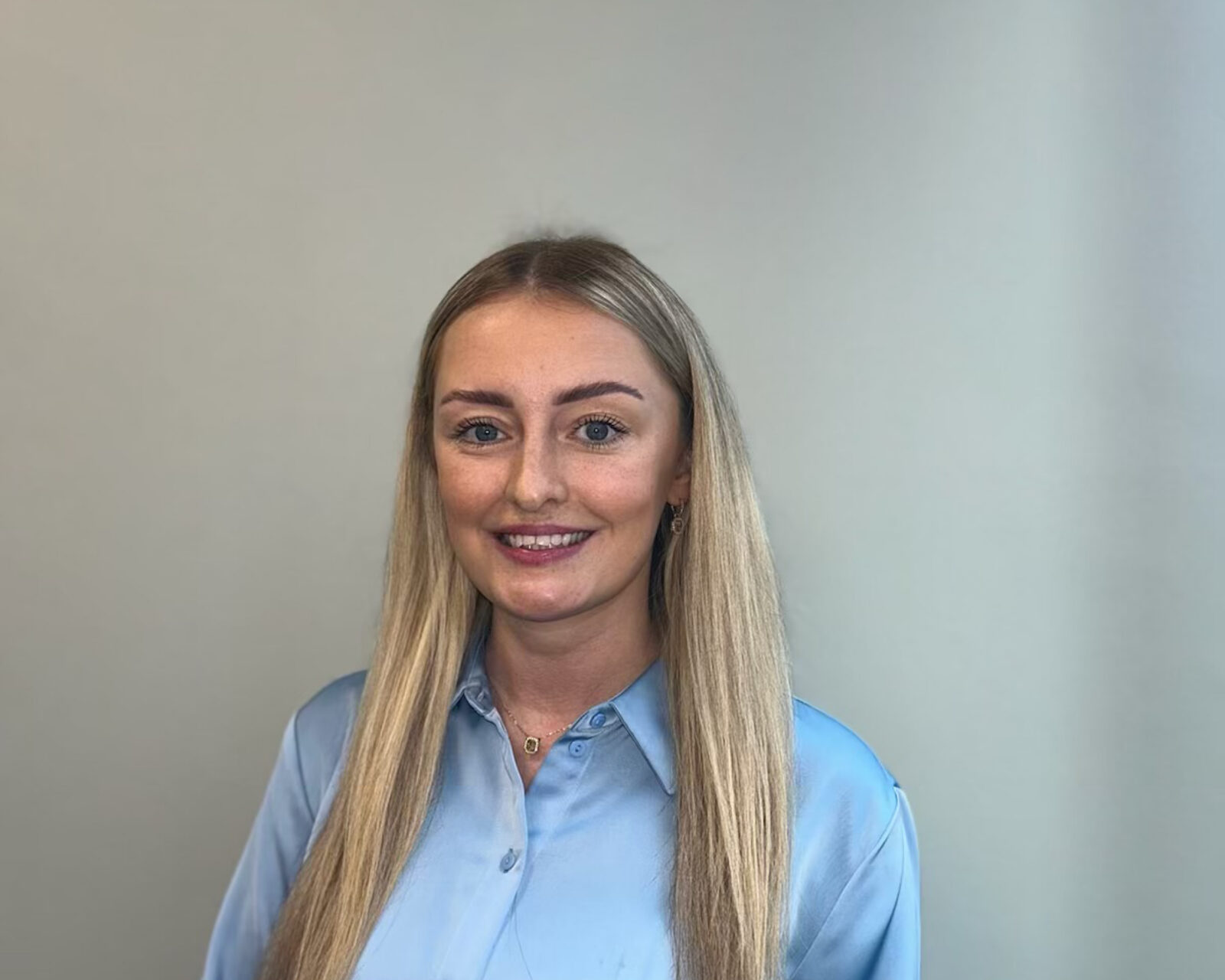
PwC, Actuary and Head of Buyout Transitions.
Leads PwC’s buy-in to buy-out transition offering, bringing together PwC’s data and risk-transfer services.
View profileHelen Norman, Senior Associate, Burges Salmon (00:08)
Hi everyone, and welcome back to the first episode of season 8 of the Burges Salmon Pensions Pod. My name’s Helen Norman, and I’m a senior associate in our Bristol Burges Salmon Pensions and Lifetime Savings team. And I’ve actually flown up to Edinburgh this morning and I’m joined by my colleague Charlotte.
Charlotte Docherty, Solicitor, Burges Salmon (00:25)
Hi everyone. Yeah, very pleased to be supporting Helen on the podcast today. So I’m Charlotte Docherty. I’m a solicitor in Burges Salmon’s Edinburgh Pensions team. We’re now comprised of 10 lawyers having seen real growth in the last year across all levels of qualifications so we’re very pleased about that. I think with our Scottish presence growing so quickly over the last year it’s a great time to get some Scottish voices in the podcast too so very much looking forward to today’s episode.
Helen Norman (00:48)
Thanks Charlotte. So in today’s episode we’ll be discussing the kind of issues that can arise around data and administration before buy-in and buy-out of pension schemes with an insurer and the support that can be offered to both trustee and employer clients.
So our guests today are Kristy Cotton and Kelly McAfee who both work at PwC. Kristy, Kelly, thank you so much for coming on the podcast and please do tell our listeners a bit more about your roles.
Kristy Cotton, Director and Actuary, PwC (01:14)
Hello, and great to be here to discuss all things data and insurance readiness, so thank you. Yes, I’m Kristy Cotton and I lead the data and benefits and operations services at PwC, as well as chair the Pensions Administration Standards Association Data Working Group.
Kelly McAfee, Actuary and Head of Buyout Transitions, PwC (01:31)
Hello, I’m Kelly McAfee and I lead our kind of buy-in to buy-out transition offering at PwC. So very much bringing together Kristy and our data team and our risk transfer offerings and really looking to challenge those industry norms, if you like, on very lengthy buy-out timescales. So yeah, it’s great to be here. and yeah, thanks Helen and Charlotte for having us.
Helen Norman (01:52)
Thanks for coming on.
Charlotte Docherty (01:53)
Yeah, that’s great. Thank you both. So Kelly, think to kick us off, it would be great if you could just tell us a bit about what you’re seeing as to the context of the market at the moment.
Kelly McAfee (02:01)
Yeah, absolutely. And I think we all know the rise of risk transfer here, right? So we’re working in an industry that’s now writing between three hundred and fifty and four hundred buy-ins annually. But we need to put that in the context of a of a backlog in the order of a thousand schemes that are already bought in with the vast majority of those working through those steps to transition to buy-out. Now our recent research shows that about one hundred and fifty schemes successfully completed buy-out last year. Insurers are targeting around three hundred this year, so doubling the number of buy-outs this year. Now that’s obviously a huge positive step change in the right direction, but we’re not yet touching the sides on that backlog which has just been compounded with this high number of deals. So a clear kind of challenge and focus for the industry is going to be working through that efficiently and a lot of that naturally comes down to pension scheme data and how we handle that.
Charlotte Docherty (03:02)
Yeah, thanks Kelly. It’s really interesting as well to hear how the numbers marry up with what we’re seeing on the legal side of things. In our experience, the market is definitely still busy with larger transactions, but there’s definitely increased insurer participation in smaller deals and therefore attractive pricing across the market. It’s an interesting time right now as well because although the market is busy, there are alternative approaches emerging with the new Pension Schemes Act also shaping the landscape and essentially leading to more opportunities for run on solutions or hybrid de-risking strategies.
So on our end, we’re definitely seeing that schemes are more open to the idea of sharing surplus. I think considering that alongside the increased flexibilities around surplus sharing under the new legislation, there’s certainly more scope in the area. So rather than proceeding immediately to buy-out, and we definitely expect these new reforms have an impact on the landscape over the coming years too.
Helen Norman (03:49)
And that’s definitely echoes what we’re seeing with our clients. So I’m helping a lot of different clients with how surpluses can be shared in their schemes. And also we’ve got quite a lot of colleagues working on the alternatives to buy-out so we have a transaction on a few Clarisse transactions already and I think that will become more in the forefront of clients minds when they’re contemplating ‘do we run on the scheme, do we move to buy-out, or do we go a different route?’
In terms of the insurer capacity, Kristy, how much do you think of the timeline and delays of these kind of big projects is as a result of data work and issues rather than insurers themselves?
Kristy Cotton (04:31)
Yeah, so I think for those of us who have been through insurance transaction, I a lot of us would agree that that main driver does really come through in relation to data. So it is causing challenges, both in terms of the quality of the complexity of the requirements and delays in just being able to get through the process that needs to happen. And I am seeing this on both sides, so both on the administration side and also on the insurer side. We think about what’s really driving this.
So firstly, it’s just not enough preparation. We are still seeing schemes go to market with some work done typically, but not always with that real deep understanding of what’s happening and what’s needed in terms of getting their data ready. We’ve got lots of historical data challenges, missing data, data inconsistencies that always come through when you start to look into it. So when you start to get through into those queries between administrator and insurer, that’s when these things start to come to light. So trying to look at those at the front is really, really helpful.
We’ve got legacy systems challenge that means extraction of data, data required in the formats that’s needed is really still causing challenges. I don’t see a solution or a change to that coming anytime soon. It is a different skill set to work through large data complex issues than it is to run the administration. So having that right processes and skill set alongside that is still really important.
And then also just seeing still so many differences in the requirements and the process that we need to follow. So depending on the administrator, depending on the insurer, depending on the other service providers, those processes continue to be different and evolve and change. But I think overall, there’s still that mindset of let’s get it done rather than get it right. So having those data sets go over when the data is all there, but there isn’t confidence that it’s right.
That is a mindset that needs to shift if we want to see these challenges start to be handled better.
Helen Norman (06:26)
That’s really interesting, Kristy.
Just in terms of the other side, how are you seeing insurers react to this kind of get it done approach?
Kristy Cotton (06:35)
So I think there is some frustration from the insurers. They are being much clearer now that they want one data set and they want to work through an efficient process. They’re also being quite clear around what they expect from the data when it comes to them. So I’m seeing some of the insurers send out data validation lists to enable that improved quality of data to come through. They’re also looking at ways in which they can help processes themselves. So how can they help with transitioning data into different formats such that the trustee side doesn’t need to do that?
And also how can they help with data flow and comparison to pricing data so they can pre-empt some of those data queries earlier on in the process? So certainly seeing them think about how they can help, but I think both sides need to come together to really drive some of the changes that we need.
Charlotte Docherty (07:26)
Yeah, thanks Kristy, that’s really interesting to sort of think about it from both sides for sure. Kelly, in your experience, how is the industry adapting to the need to further support schemes throughout their data journey?
Kelly McAfee (07:39)
Yeah, and absolutely there’s a lot of really, really good stuff here. So I think we’re on the right path. It’s just about keeping momentum with that at the same pace that that schemes keep transacting and adding to the list. But what I would say is insurers are investing heavily in their kind of post-transaction teams. Some are looking at insurer-led data cleanse processes, and a particularly interesting one I think is direct implementation approaches. So in short, this is where post the buy-in, you you’re you’ve done all your rec (rectification) work, you’ve looked at your GMP, all of that’s been fixed. And actually, instead of that going back into administration systems just to come back out again, insurers are looking to implement those updated pension amounts directly, and that can easily shave six months off a process depending on the insurer.
And we’ve led kind of multiple exercises across different insurers in that now, and it really does have value, I think, and it’s probably nods back to one of the points Kristy made earlier, like one challenge is every insurer has a different approach to this and different data requirements. And my advice to schemes is very much to understand the logistics and the requirements from the outset and make sure all parties are clear. So a no surprises approach is what I would say. But certainly that direct implementation approach has been helpful. And I suppose from a kind of third party outsourcing data clients perspective, we see a lot as well on that front, don’t we, Kristy?
Kristy Cotton (09:11)
Yeah, so yeah, and that’s exactly right. We are really starting to see various different passes in this cycle think about the better ways of doing it and outsourcing those data cleansing and correction work is becoming quite common now, particularly to address some of the capacity constraints and the timelines that we’re seeing that really are dragging these processes on, but also to get that right skill set and right service provider to support with these projects. So as I said earlier, it is a different type of work to doing ongoing administration and therefore making sure that you have that right service provider and the right support to enabling the data to be worked through to have the quality that it needs and to be in the format and the requirements is just really important. So we’re seeing outsourcing to third parties either through other advisors, but also, as Kelly said, to insurers who can help support and take on this work. And we’re seeing some of these timeframes where we can still see two plus years waiting to be in the GMP queue, that outsourcing can really help work towards the time framings that are needed to be able to get you to buy-out and wind up within the time frames desired.
So the key thing I’d say here is proper planning around the data and any benefit exercises that happen. Have your right providers to support you in that journey and just make sure that we are working towards the requirements that are needed and doing that in the most efficient way.
Kelly McAfee (10:35)
Yeah, absolutely. Thanks, Kristy. I think the planning and the timing point is pivotal, right? When do you do your data work? Is it fully done and dusted before you do your buy-in? Is everything left until after? Realistically what’s right for the scheme is going to depend on objectives, kind of market pricing opportunities, affordability, all of these things. But fundamentally, if any kind of data rectification work is waiting for post-buy-in, then you absolutely want to be super clear on what that is. You want to have, kind of like, robustly quantified on your balance sheet and what that’s going to cost down the line and when it will be picked up. Again, just no surprises is what we’re aiming for here.
And so I suppose big, big focus on data there and obviously data links to the benefits and the benefit spec and everything else. Helen, Charlotte, what are you kind of seeing in the legal space to support those efficient buy-in processes right through to buy-out and wind up?
Charlotte Docherty (11:40)
Yeah, I think totally goes back to the point about proper planning. I think the key theme is that the schemes that we’re seeing progressing fastest are those that are well prepared and importantly have a robust data and benefit cleansing plan in place. I think from a legal perspective, there’s various essential documents and other elements where our input is needed. So acting early on those various moving parts can materially shorten the buy-in to buy-out time frame and just reduce costs overall.
Helen Norman (12:04)
Yeah, I think just to echo what Charlotte said there really, there’s two key ways that we see this approach happening within the legal sphere and how lawyers such as Burges Salmon can help with these kind of big scale projects. The first I would say would be preparing the relevant documents, for example the benefit specification. We are seeing more and more clients wanting to proactively review their benefits and get a benefit specification in place far ahead of when they’re looking to approach the market and really, definitely in our opinion, the earlier the better even if you’re not looking to transact soon because like you say, there can be bottlenecks and it really can give trustees and employers quite a lot of comfort to know that they’ve got a benefit specification on the stocks that’s ready.
So Burges Salmon actually have a benefit and documentation review offering and really with that we’re looking to give trustees comfort that they’re paying out the right benefits at their given current time but also this will assist with journey planning when you’re looking to buy-out and also assist with trustees so as you know on a buy-in they’re looking- the insurers will demand that they give certain warranties and actually if you know that you’ve looked to your benefits ahead of time you’ll feel more comfortable giving those warranties.
We would also say- I think the theme of this podcast really is ‘preparation is key’ and actually that can really help if, for example, an issue comes up when you’re looking at the benefits or even looking at the data, it’s better that you’ve identified that at a much earlier stage and you can deal with it ahead of time. Whereas we have seen clients whose projects and the timeframes have been derailed because a big issue has come up and that needs rectifying before you’re able to go to the market.
Just secondly, in terms of where we can assist on the legal side is really the relationships with certain multipliers and with the insurers. So, we’ve transacted, as you say, there’s so many transactions happening. We’ve probably come across the majority of the insurers that are in the market. So we would have that understanding of the contracts that they’re looking to enforce. And we can help with the relationship building, also where, for example, smaller schemes insurers really like to transact on standard terms and quite often they can say that these aren’t negotiable. Well, having a legal review of those standard terms, when we know what’s across the market can help trustees and employers feel more comfortable entering into these transactions, but also you can really seek to proactively consider them and negotiate even where you’re just tweaking things slightly because you have that background knowledge of what can be achieved within the market and that can help clients, even at the early stages of when they’re looking to shortlist which insurers to go to, we can kind of say, these would be probably more willing to negotiate on certain terms if they’re very key to the clients.
And also we can help drafting the requested contractual terms. And actually, if there’s something that the client feels strongly about, you can say that term to the insurers at an early stage and then really have more choice of who you’re transacting with because you know that they’ll be able to give on those kind of terms. So that’s really the legal side of it, but Kelly, what are you seeing from your side?
Kelly McAfee (15:51)
Yeah, and I think as we noted, lots of things that are working well, lots of developments from like a kind of data legal side, we can really see the industry coming together to address some challenges and ultimately some- lots of good thoughts going on right now about standardisation which could be really helpful but will probably take some time. I think data side for me a really key part in that planning is before you do the buy-in, know what you want from the buy-out. And so if you know a scheme or a sponsor is really keen for completion by a certain date, you know, that could be accounting, it could just be managing costs, it could be kind of management time, then then really you need to discuss and consider that as part of your insurer selection.
Different insurers have different processes and have different timelines. And really whilst you’ve got that competitive tension and the process is the time to really ask those questions about what you want from a post-transaction process and try and get that locked down.
I think as well the industry has really kind of grappled with that sharp increase in schemes going to buy-out by different advisory firms really upskilling teams and individuals to take schemes through that process and have specialised people in place that can do that and that kind of clear dedicated resource I think is really helpful and I expect that we’ll continue to see that rise.
There’s been a big rise in kind of formal and independent project management too. The governance and oversight on these processes is key. There’s so many moving parts and so many different people that have got different deadlines and having that kind of independent oversight I’m finding is really helpful and insurers but all parties seem to really favour that when they look at an approach, how willing they are to be flexible and agree to tighter timelines really depends on the governance around the process too.
Charlotte Docherty (17:52)
Yeah, certainly agree. Thanks, Kelly. think it would also just be quite interesting to hear if there are any challenges that you expect to continue to remain?
Kristy Cotton (18:01)
Yeah, happy to take this one. So I think there will be some challenges that remain particularly in the short term as we start to see some of the improvements coming through. So data quality is going to continue to be a barrier for schemes that don’t prepare, take that seriously and we’ll take action in respect of the data that sits behind their schemes. That will be a barrier to proceeding efficiently.
And having that lack of standardisation is going to continue. The insurers do all want something different. We will see some improvement using tech and AI coming through that really helps with some of the simplification around changing data. But that standardisation isn’t going to be where you’d like it to be in the next few years. So understanding those processes, but also working with the right provider that can handle large data sets and can understand the different insurers, different requirements, it’s going to be really important.
And then resource across the market. We’ve still got lots of schemes working through large projects, gene poolingisation is still fully underway for lots of schemes and some still in the queue. There is lots of benefit rectification work ongoing. There is lots of processes that’s coming from undertaking some of these benefits, specification reviews and other operational changes. So that resource is going to continue to be a challenge. And again, my plea there would be work with the right teams that you are getting the right resource that has the capability as well as capacity to deliver some of these projects for schemes efficiently.
Helen Norman (19:26)
I definitely echo that, Kristy, with needing to work with the right teams and also just put the right resources in place. So, we really think the challenge is just preparation and being prepared and being able to work efficiently because these projects just have so many different aspects to them and so many moving parts and they do need a strong project manager and they need people to be driving each aspect forward. And also, I think we touched on the start of the different opportunities coming out of the Pension Schemes Act, there are different ways of transacting or because schemes are so well funded, some people aren’t looking to buy-in or buy-out their scheme. So, that’s almost a challenge and an opportunity in a way.
Charlotte Docherty (20:13)
Yeah, thanks, Helen. I certainly agree. I think just to round us off, think just to say a massive thank you to you both for joining us today. It’s been great to have you, Kristy and Kelly.
Kristy Cotton (20:22)
Yeah, thank you for having us. It was great.
Kelly McAfee (20:24)
Thank you.
Helen Norman (20:32)
So thank you for listening to the Burges Salmon Pensions Pod. That was our first episode of this new season, but we’ve got a lot of different great episodes coming up. We’re covering topics such as administration and also pension schemes on divorce. So look out for those and you can listen to the whole backlog of our episodes on Spotify or wherever you listen to your podcasts. But thanks for listening.
Charlotte Docherty (20:55)
Thanks everyone.

 Podcasts
20 October 2026 • 6 min read

Thought leadership
13 October 2026
/Passle/5d9604688cb6230bac62c2d0/SearchServiceImages/2026-10-12-14-14-33-342-6acceb493a2af61876049e13.jpg)


Thought leadership
5 October 2026

Thought leadership
1 October 2026
/Passle/5d9604688cb6230bac62c2d0/SearchServiceImages/2026-10-01-13-35-42-954-6abe61ae780876d3b97fb000.jpg)
Thought leadership
29 September 2026
/Passle/5d9604688cb6230bac62c2d0/SearchServiceImages/2026-09-29-13-53-17-398-6abbc2cd155f6f59c63a6ccb.jpg)
Thought leadership
28 September 2026
/Passle/5d9604688cb6230bac62c2d0/SearchServiceImages/2026-09-28-14-49-16-815-6aba7e6c57009c2a38139863.jpg)
Thought leadership
24 September 2026
/Passle/5d9604688cb6230bac62c2d0/SearchServiceImages/2026-09-24-13-46-41-982-6ab529c1240c5cc53a60182a.jpg)
Want more Burges Salmon content? Add us as a preferred source on Google to your favourites list for content and news you can trust.
Update your preferred sourcesBe sure to follow us on LinkedIn and stay up to date with all the latest from Burges Salmon.
Follow us