Legal updates
The key ingredients needed to make complex station development projects work

18 Nov 2026
2 min read
This website will offer limited functionality in this browser. We only support the recent versions of major browsers like Chrome, Firefox, Safari, and Edge.
Legal updates
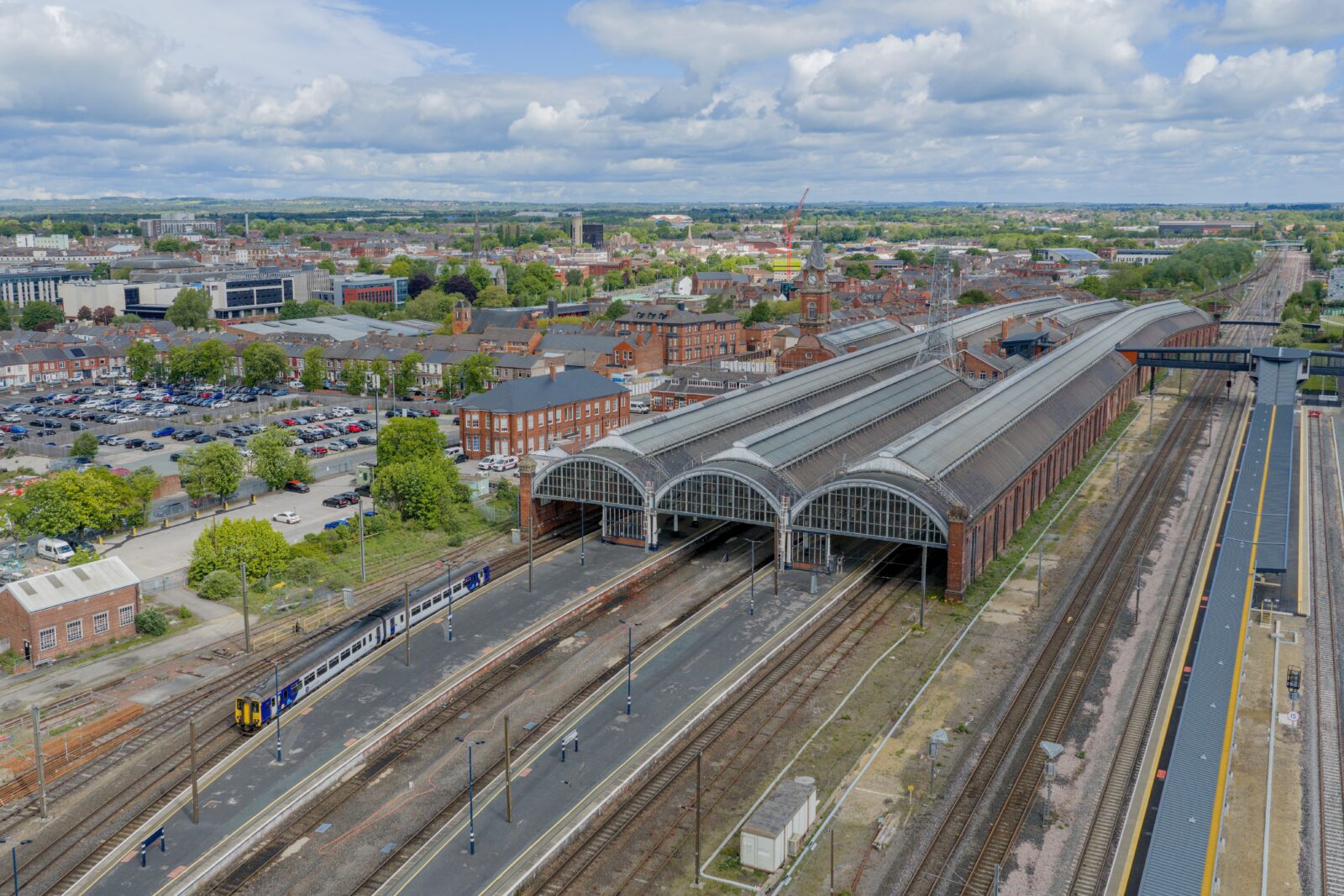


Station regeneration projects are, by their nature, complex things. They sit at the intersection of transport infrastructure, planning policy, land ownership, and community expectation. Making them work requires more than good design and commercial acumen – it demands leadership, patience, and a willingness to bridge the gap between sectors/industries that do not always speak the same language.
Perhaps the most critical ingredient for a successful scheme is a champion – a cheerleader who can articulate the vision, build consensus, and sustain momentum through the inevitable challenges. This might be a Metro Mayor, a council leader, a development corporation, or a senior figure within the development or rail industry. What matters is that this person or body has the authority, credibility, and staying power to hold the project together across political cycles, funding rounds, and changes in market conditions.
Community engagement is the second essential element. It is not enough to tick the boxes required for public consultation. The development must genuinely reflect what the community wants. This means outlining a plan that is accepted by local people and ensuring the vision continues to evolve in response to their needs. Where community trust is built early, resistance is reduced and the planning process can move forward more smoothly.
There is also an important cultural challenge. The development and transport sectors operate with different risk appetites, technical vocabularies, and organisational cultures. Bridging this translation gap – fostering shared experiences and a positive, “can do” outlook from infrastructure managers, whilst retaining safety as the overriding priority – is what turns theoretical opportunity into deliverable projects.
Finally, speed of delivery matters. Delay erodes viability. This calls for less modelling and more thinking – in particular, pragmatic decision-making that keeps projects moving. The vision must be clear, the stakeholders aligned, and the execution relentless.
Discover more perspectives on the opportunities, planning considerations and practical challenges shaping development around railway stations.
Explore now
 Legal updates
18 November 2026
Legal updates
18 November 2026
Legal updates
18 November 2026


Legal updates
18 November 2026
Legal updates
18 November 2026

Press Releases
4 November 2026