Legal updates
The opportunities for Great British Railways to promote successful development on its land

18 Nov 2026
3 min read
This website will offer limited functionality in this browser. We only support the recent versions of major browsers like Chrome, Firefox, Safari, and Edge.
Legal updates
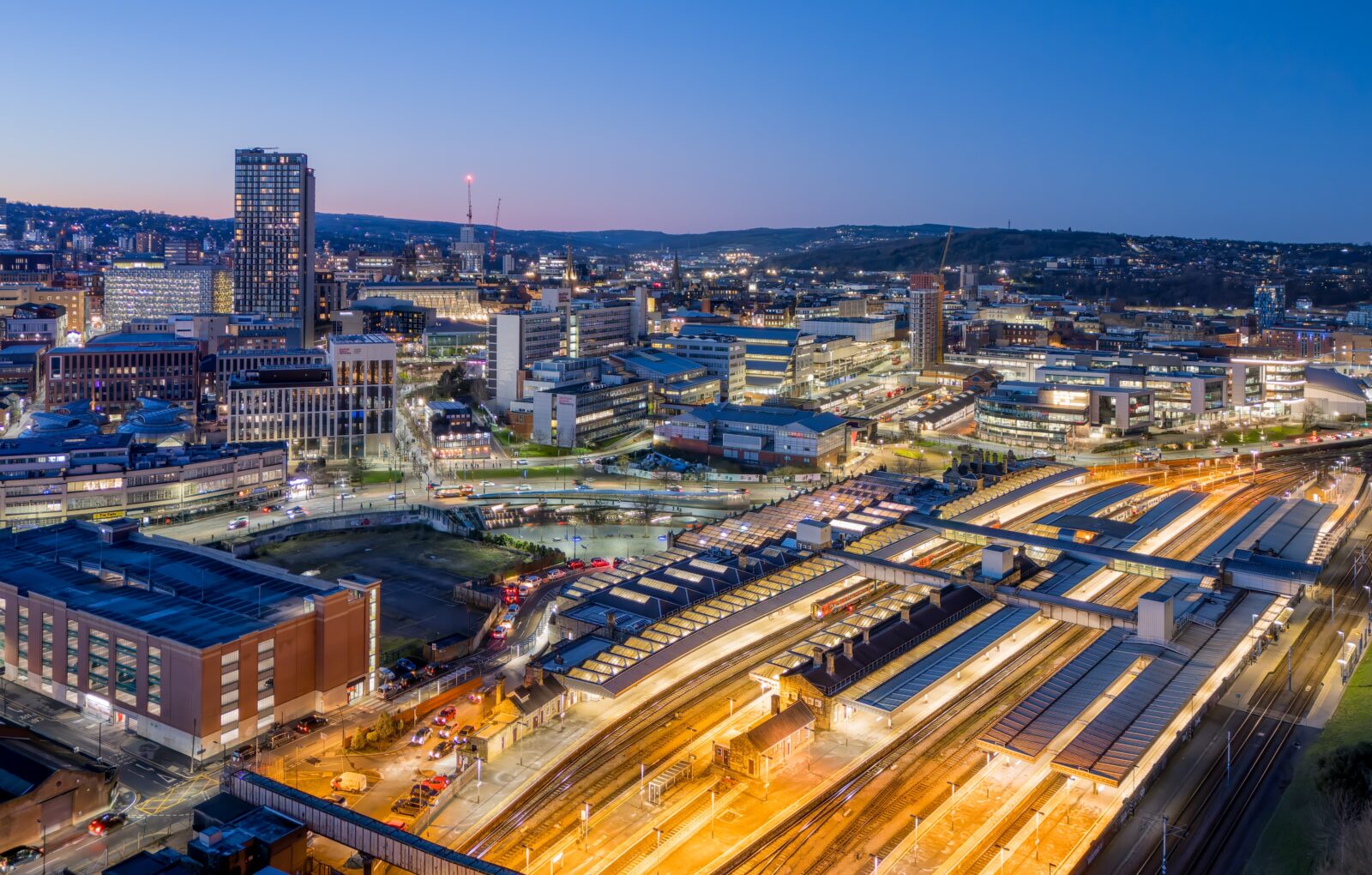


The creation of Great British Railways (GBR) as the “single directing mind” for the rail network presents a generational opportunity for station-area development. Under the Railways Bill introduced to Parliament in November 2025, GBR will bring track and train together under unified public ownership. With that comes the potential to align commercial and operational interests in a way that has simply not been possible under the franchising model, with various private sector entities having interests in the operation of rail services. This presents opportunities for development of land at and around stations and other railway assets.
The transfer of passenger services to public ownership is already well advanced. South Western Railway, c2c, Greater Anglia, West Midlands Trains, Govia Thameslink Railway, and Chiltern Railways have all transferred, with the remainder of the passenger operators expected to follow suit by the end of 2027. The removal of privately-owned train operators holding station leases eliminates a significant barrier: there is no longer a third party whose commercial interests may conflict with broader regeneration objectives.
Equally significant is the launch of Platform4 in July 2025 — the new Government-owned property company combining London and Continental Railways with Network Rail Property. Platform4 aims to deliver up to 40,000 new homes over the coming decade on surplus railway land, with sites already identified in Manchester, Newcastle, Nottingham, Cambridge, and elsewhere. The ambition is to generate an additional £227 million by delivering at greater pace and scale, attracting more than £350 million in private sector investment.
GBR and Platform4 together have a unique opportunity to identify the intersections between available land and timetable capacity — unlocking sites where increased train service frequency can support new housing. But this potential will only be realised if GBR, the Department for Transport, and its operator arms are genuinely aligned. Holistic thinking is needed to ensure that regeneration can happen alongside continuous improvement to the rail network. This will require GBR to act as a sponsor and guide, driving opportunities and enabling regeneration.
For developers, the opportunity lies in early and constructive engagement with Platform4 and GBR to bring forward schemes that serve both housing and transport objectives. The new NPPF’s stronger presumption in favour of housing within walking distance of well-connected stations should make the planning case for suitable development on railway land easier to make. Projects like King’s Cross Central stand out as examples of what can be achieved when an opportunity is looked at holistically and pursued with drive and determination. The challenge will be to replicate this in the right locations around the rest of the network.
Discover more perspectives on the opportunities, planning considerations and practical challenges shaping development around railway stations.
Explore now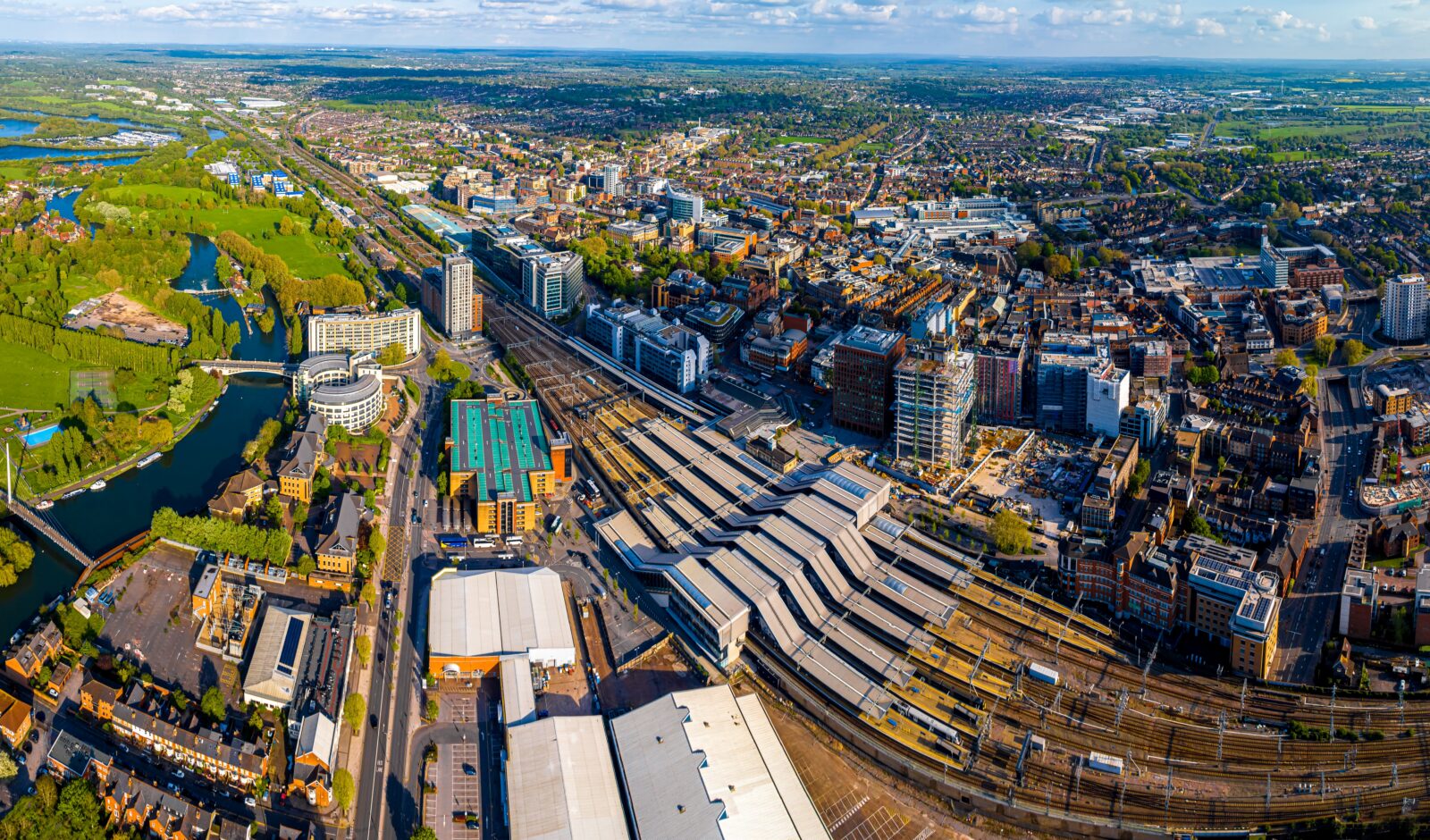
 Legal updates
18 November 2026
Legal updates
18 November 2026
Legal updates
18 November 2026
Legal updates
18 November 2026
Legal updates
18 November 2026

Press Releases
4 November 2026