Legal updates
Why Supply? The EfW Conundrum

6 Nov 2026
8 min read
This website will offer limited functionality in this browser. We only support the recent versions of major browsers like Chrome, Firefox, Safari, and Edge.
Legal updates
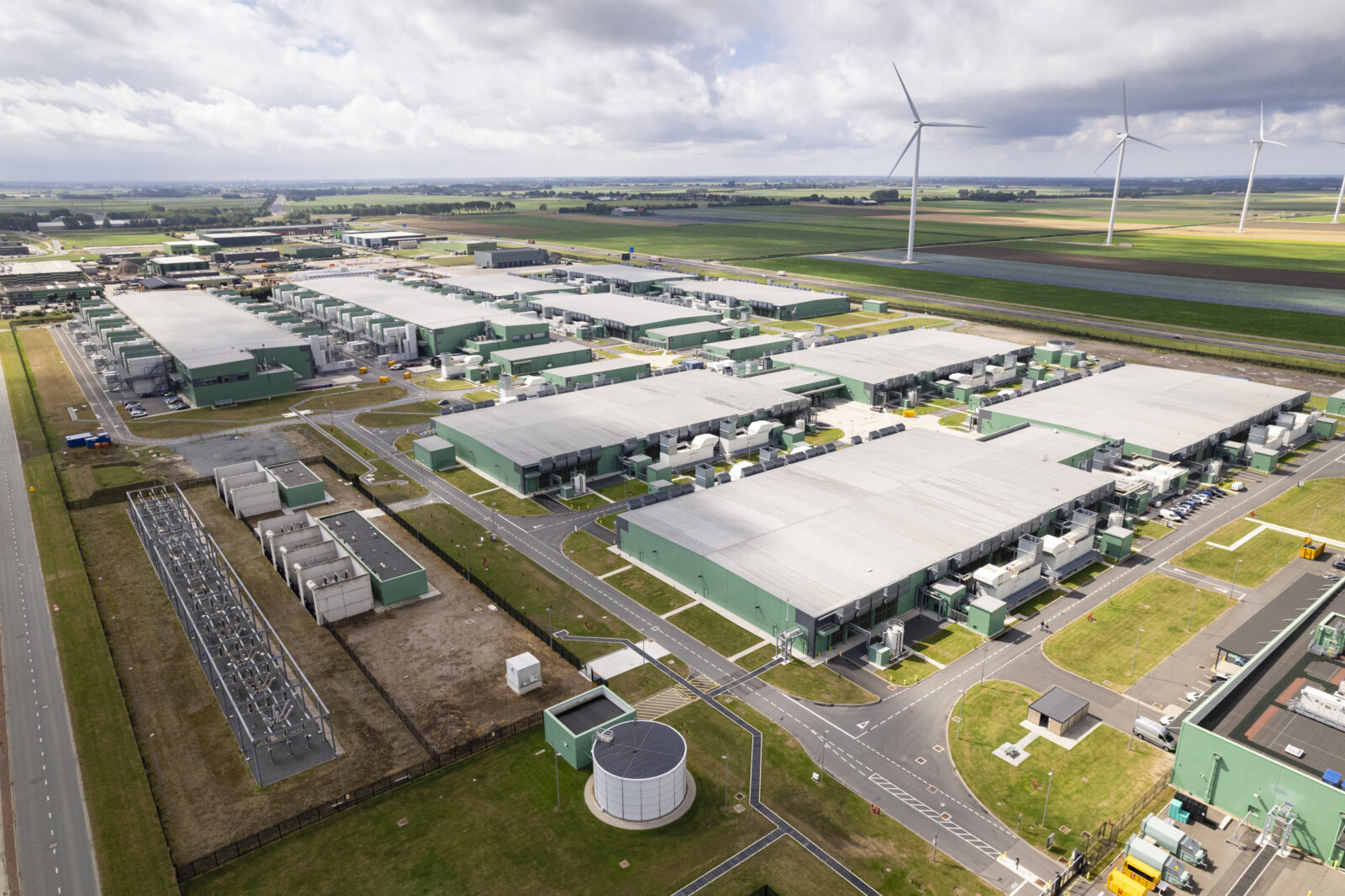


There are many factors to consider when considering the viability of developing a heat network but there can be little debate that having reliable sources of heat – and the cost of that heat – are two of the fundamental requirements.
Energy from Waste (EfW) facilities have long been a key part of the waste hierarchy – providing both a vital waste management function and a reliable source of renewable electricity. But what if they could also provide a reliable source of heat as well?
The majority of EfW facilities in the UK are classed as ‘heat ready’, however just under a quarter of all operational facilities actually export heat. In this article, we explore the role that EfW facilities could play in the heat transition as well as the aspects that may need to be resolved.
All asset operators and developers want to keep their costs down – and heat networks are no different.
To make a project economically viable and encourage customers to connect, developers need to ensure that the ‘levelised cost of heat’ (LCOH) (i.e. the total cost to a consumer per kWh of heat supplied by a heat network) is as close as possible to what customers are used to paying – i.e. the equivalent “all inclusive” cost of heat from a gas boiler.
The cost of obtaining “heat” (or rather heated water or steam, which acts as the thermal energy carrier) from a reliable source plays a key role in determining the viability of a heat network and is a key building block in calculating a network’s LCOH.
Heat can be obtained from many sources, but surplus heat from industrial processes, including waste treatment at EfW facilities can be one of the best value sources of low-carbon heat as the heat is a byproduct of an essential process and can be decoupled from some of the volatility of energy prices.
So how does it work? As outlined by the Environmental Services Association (ESA) in their guide to heat offtake from EfW facilities, there are multiple potential sources of heat within an EfW facility. However, the most common approach is a “Direct Heat Offtake” in which some of the steam which is generated from the waste incineration (and usually used to drive a turbine to produce electricity) is diverted from electricity production and instead put through a heat exchanger, which transfers the heat from the steam to the water in the heat network.
What makes heat from EfW facilities an attractive option? There are a number of reasons:
Sounds great, so what’s the catch? Well, firstly, whilst heat is a by-product of the waste treatment process, EfW facilities typically need to divert steam from electricity production in order to generate the heat. To do this, steam is diverted from electricity prodution, resulting in a drop in electricity output.
Therefore, for every kWh of heat energy generated by an EfW facility which is diverted from electricity production, there is lost electricity revenue. This opportunity cost is referred to as the ‘Z-factor’ (i.e. the number of units of heat that can be recovered for each unit of electricity generation lost) and will inevitably influence the price at which an EfW operator will sell its heat. This will particularly be an issue where the EfW facility has existing project finance in place which is secured on modelled revenue streams. In this case the EfW operator will need to demonstrate to its funder that any replacement revenue from the heat supply is a stable revenue stream from a creditworthy counterparty and is at least as beneficial to the business case as the lost electricity revenue.
From a heat network developer perspective, there are also other points that will need to be considered, including:
Whilst there are a number of important commercial and technical points to consider, successful delivery of zonal-scale heat networks will require heat network developers to have access to a range of reliable, low-cost sources of heat and EfW facilities can no doubt play a key role in the heating transition. Enabling these facilities to deliver on their heat potential will require heat network developers to understand the waste sector more widely and for both parties to work together with a long-term vision to build a viable business model which works for them both.
Currently, 12 of the UK’s 64 operational EfW facilities are already connected to district heat networks (and several more have recently received funding from the Green Heat Network Fund to commercialise new heat networks). With zoning fast approaching and the Government’s target of 7% of heat demand being met by heat networks in England by 2035, there has never been a more opportune moment for EfW operators and heat network developers alike to explore this opportunity.
As part of our Clean Heat Hub series, we are supporting clients across the lifecycle of heat network projects and our Waste and Circular Economy practice has years of experience advising those operating in the waste sector, meaning we are well placed to support both offtakers and suppliers of heat from EfW facilities.
If you are considering a heat offtake arrangement, we can support with contractual negotiation and regulatory advice. Please get in touch with Nick Churchward or Greg Fearn if you would like more information.

Explore our Clean Heat and Heat Networks hub for expert analysis, legal updates and practical insights on the developments shaping the sector.
Explore the hub

 Thought leadership
1 October 2026

Legal updates
18 September 2026


Thought leadership
1 September 2026
Legal updates
12 August 2026