

 Thought Leadership
The Great Grid Upgrade: the challenge of delivering infrastructure at scale

17 Nov 2026
5 min read
This website will offer limited functionality in this browser. We only support the recent versions of major browsers like Chrome, Firefox, Safari, and Edge.
Thought Leadership



The rise of renewable energy in the UK has changed and continues to change where electricity is generated and, therefore, how it needs to be transmitted. The existing electricity network was last significantly upgraded in the 1950s/1960s and was largely designed around large fossil-fuel power stations, whereas increasing amounts of electricity are now being generated from renewable sources, including offshore wind in the North Sea. Significant new transmission infrastructure is therefore needed to connect that generation and transport electricity efficiently to where it is needed, preferably without wastage and in order to assist in bringing consumer bills down.
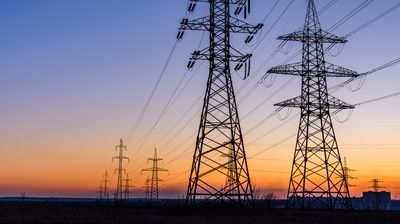
The Great Grid Upgrade is the largest electricity grid overhaul in generations across England and Wales and the scale of infrastructure required is enormous. More than 4,000 miles of new power lines could be required by 2041, alongside new substations, converter stations, subsea cables and significant upgrades to the existing transmission network. Five times more transmission infrastructure is expected to be built by 2030 than was constructed during the previous three decades. NESO has also identified more than 80 transmission projects which it considers are needed to meet demand and reduce network constraint costs.
The opportunity for the construction and engineering sector is undoubtedly significant. Estimates suggest that around £150 billion could ultimately be required to deliver the necessary grid infrastructure. However, delivering such a large number of major infrastructure projects over a relatively short period will also present challenges.
Supply chain capacity
Supply chain capacity will be an important consideration if these projects are to be delivered at the scale and pace required.
The volume of projects being brought forward is likely to strengthen the negotiating position of contractors, particularly for specialist works, and influence the contractual risks they are prepared to accept. For contractors and the wider supply chain, this presents a significant opportunity. A strong pipeline of projects should provide greater certainty to invest in the skills and capacity required to deliver them and may create opportunities for contractors with relevant experience from other infrastructure sectors to enter the market.
For those procuring projects, however, competition for contractors and specialist suppliers will influence key decisions around contract choices and apportionment of risk. New, flexible models will need to be considered when developing procurement strategies and contractual risk profiles. An overly aggressive allocation of risk may result in higher pricing, extensive contractual qualifications or a reduced pool of contractors willing to tender.
Early engagement with the supply chain will therefore be important to understand the risks contractors are prepared to take and how those risks are likely to be priced.
Procurement and contractual risk
Although much of the new transmission infrastructure is required to support renewable generation, there are important differences between these projects and the generation assets they support.
Major transmission projects can involve extensive linear infrastructure, interfaces with existing and operational assets, specialist equipment with long lead times and complex testing and commissioning requirements. These characteristics will need to be reflected in how individual projects are procured and contracted.
A single procurement or contracting model will not be appropriate for every project. Different structures will create different considerations around interface risk, design responsibility, programme, equipment procurement, performance and delay.
As with other major infrastructure projects, simply transferring risk contractually does not remove it. Risks need to be allocated to parties that understand them, are able to manage them and can price them appropriately.
In recent times, we have seen significantly reshaped positions around security documents, liquidated damages, liability caps, indemnities, etc. We expect these positions to continue to evolve, requiring flexible legal advisers who understand how the market and contractual issues are evolving.
Developing procurement and contracting structures which achieve the right balance, while remaining attractive to a potentially constrained supply chain (at a level that still attracts investment), will be important as these projects are brought forward.
Drawing on experience across energy and infrastructure
The UK has considerable experience across both energy projects and major infrastructure schemes which can be drawn upon to help deliver the Great Grid Upgrade. Experience from the energy sector will be particularly relevant given the supply chain and capacity constraints, as well as the spending challenges, encountered on both renewable and nuclear projects. Transmission projects have their own technical, construction and commercial risks and require experience of developing and delivering major infrastructure, but there are common themes and issues that transcend both.
There is also significant overlap between the skills needed to deliver these projects and those already present across the wider infrastructure sector. The scale of the projects required could therefore create opportunities for contractors and suppliers beyond those currently active in electricity transmission, particularly as Government will most likely be forced to confront outdated infrastructure in rail, road, health, prisons and other areas and embark on significant upgrade projects in the near future.
What comes next?
The Great Grid Upgrade is described by National Grid as the largest overhaul of the electricity grid in generations. For the construction and engineering sector, the scale of the projects required presents a significant opportunity.
Supply chain capacity, procurement and contractual risk allocation will be important if that opportunity is to be delivered successfully. In particular, those developing projects will need to consider how to secure access to the required supply chain and allocate project risks appropriately in a market where contractors may have significant choice over the projects they pursue.
Burges Salmon has extensive experience advising on major infrastructure projects alongside its wider work across renewable energy and the energy sector. The firm's experience extends across electricity networks, renewable generation and grid connection infrastructure, as well as the construction and engineering issues associated with delivering complex projects.
That experience across both renewable and nuclear energy and infrastructure is particularly relevant to the projects required to deliver the Great Grid Upgrade. We are already working on key transmission projects across the UK and continue to be well placed to support network operators, developers, contractors and the wider supply chain as these projects are brought forward in the coming years.
This article was written by Lloyd James and Theo Wapshare.

 Thought leadership
13 November 2026
Thought leadership
13 November 2026


Thought leadership
6 November 2026

Thought leadership
5 November 2026

Want more Burges Salmon content? Add us as a preferred source on Google to your favourites list for content and news you can trust.
Update your preferred sourcesBe sure to follow us on LinkedIn and stay up to date with all the latest from Burges Salmon.
Follow us