

 Guides
AI and Data Centres: how increasing and changing demands impact data centre development

18 May 2026
5 min read
This website will offer limited functionality in this browser. We only support the recent versions of major browsers like Chrome, Firefox, Safari, and Edge.
Guides
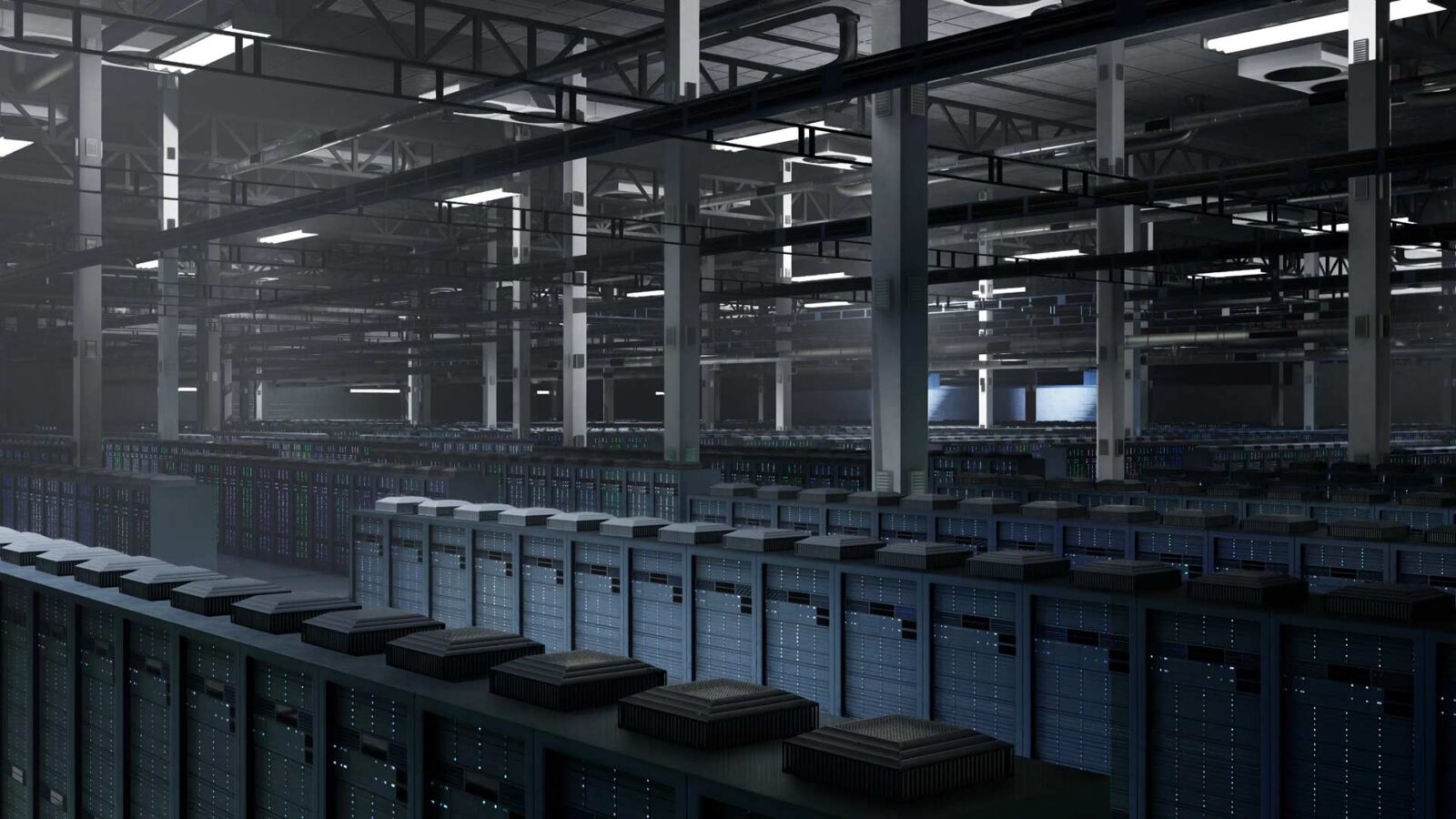


AI systems are growing in capability and adoption, transforming how data centres need to be designed. Hardware, software and networks are changing shape, and energy demands from increasingly diverse sources are climbing due to availability, resilience, and cost pressures. Meanwhile, governments are racing to enable faster data centre build, whilst there is growing scrutiny of the environmental impact of AI.
For data centre owners and the hardware supply chain, the message is clear: there is no AI without data centres. Speed and flexibility are critical for data centres to meet ever growing demand from developers, investors, and deployers. This creates significant opportunities but also changes which legal risks need managing, and how.

Not all AI data centres are equal. Broadly, there are two types: those built for training AI models and those designed for running AI models. How and where each is built differs – both from each other and from traditional data centres.
Data centres for training AI models process vast datasets over extended periods, requiring different processing and cooling technologies to traditional data centres, with distinct system architectures.
Data centres for running AI models (known as inference) by contrast, power applications like chatbots, image recognition and speech processing. The considerations here are different. Issues include which model is being run (because each model operates differently), latency (how long it takes to run a query), scalability and flexibility (reflecting changes in demand), power usage (which impacts cost), and location (due to regulations affecting where data for queries is processed).
Why does this matter? These requirements directly shape design decisions affecting energy consumption, the infrastructure and planning required, and the parties involved with designing, supplying, and building the data centres.
And the future remains uncertain. Demand patterns may shift, whether through new AI development approaches, changing hardware requirements, or network management innovations. Supply-side shocks are equally possible: concentrated supply chains for hardware, or limited site availability, could change the economics overnight. What is being built today may not be what is needed tomorrow.
Not all AI data centres are equal. Broadly, there are two types: those built for training AI models and those designed for running AI models. How and where each is built differs – both from each other and from traditional data centres.
Data centres for training AI models process vast datasets over extended periods, requiring different processing and cooling technologies to traditional data centres, with distinct system architectures.
Data centres for running AI models (known as inference) by contrast, power applications like chatbots, image recognition and speech processing. The considerations here are different. Issues include which model is being run (because each model operates differently), latency (how long it takes to run a query), scalability and flexibility (reflecting changes in demand), power usage (which impacts cost), and location (due to regulations affecting where data for queries is processed).
Why does this matter? These requirements directly shape design decisions affecting energy consumption, the infrastructure and planning required, and the parties involved with designing, supplying, and building the data centres.
And the future remains uncertain. Demand patterns may shift, whether through new AI development approaches, changing hardware requirements, or network management innovations. Supply-side shocks are equally possible: concentrated supply chains for hardware, or limited site availability, could change the economics overnight. What is being built today may not be what is needed tomorrow.

These dynamics – and the potential for rapid change – raise multiple issues for data centre development. Here, we highlight a few of the most pressing.
Location, location, location (and planning)
Location is key. Data centres may need to be in a specific location, such as near a specific industry, to improve latency between data centre and deployers, or due to local privacy laws.
Location affects access to what data centres need – from energy, to communications, to transport. The planning environment affects whether what is needed can be built and by when. This affects both capital and operational costs, in turn affecting what the data centre can offer and its profitability.
However, the range of sites is limited, and data centre build is competitive. They require significant investment in surveys, design, and planning even before a spade is in the ground. Where multiple data centres cluster, there are still risks, including of bottlenecks, such as for energy, water and transport.
Procurement and supply chain
Building and operating AI data centres means coordinating a complex web of parties and stakeholders:
However, as AI and data centre demand is high, the suppliers needed are also in high demand. Talent in specific countries, including the UK, is not spread throughout evenly or necessarily where potential sites are to be located. Hardware suppliers, particularly, for GPUs and high-bandwidth memory, are concentrated in the US and East Asia, exposing supply chains to concentration risk and international disruption.
Many of these components are also interconnected. According to the International Energy Agency , building new transmission lines can take four to eight years in advanced economies, and wait times for critical grid components have doubled in recent years. Delays in one area can cascade across an entire project.
These dynamics – and the potential for rapid change – raise multiple issues for data centre development. Here, we highlight a few of the most pressing.
Location, location, location (and planning)
Location is key. Data centres may need to be in a specific location, such as near a specific industry, to improve latency between data centre and deployers, or due to local privacy laws.
Location affects access to what data centres need – from energy, to communications, to transport. The planning environment affects whether what is needed can be built and by when. This affects both capital and operational costs, in turn affecting what the data centre can offer and its profitability.
However, the range of sites is limited, and data centre build is competitive. They require significant investment in surveys, design, and planning even before a spade is in the ground. Where multiple data centres cluster, there are still risks, including of bottlenecks, such as for energy, water and transport.
Procurement and supply chain
Building and operating AI data centres means coordinating a complex web of parties and stakeholders:
However, as AI and data centre demand is high, the suppliers needed are also in high demand. Talent in specific countries, including the UK, is not spread throughout evenly or necessarily where potential sites are to be located. Hardware suppliers, particularly, for GPUs and high-bandwidth memory, are concentrated in the US and East Asia, exposing supply chains to concentration risk and international disruption.
Many of these components are also interconnected. According to the International Energy Agency , building new transmission lines can take four to eight years in advanced economies, and wait times for critical grid components have doubled in recent years. Delays in one area can cascade across an entire project.
The answer depends on your role – but there are common threads.
Time is critical. Contracts need to be clear about responsibilities, timings, and how parties are to work collaboratively.
Prepare for change. Data centres take years to build. Regulations, planning frameworks, costs and suppliers will likely shift during that period. Contracts will need agreed mechanisms to anticipate, respond to, manage, and document those changes.
Think holistically. Data centre development requires managing interconnected elements and their associated risks as a whole – not in silos.

“In a world of evolving data centre design and global supply chain uncertainty, proactive legal risk management isn’t optional – it is essential for delivery.”

Tom Whittaker

Explore the six key themes on our dedicated Data Centres hub, covering the critical power, planning, funding and delivery issues influencing data centre projects across their full lifecycle.
Find out moreDelivering successful data centres depends on navigating multiple, interconnected challenges. To discuss how our AI and Data Centres teams can support your next project, get in touch.
/Passle/5d9604688cb6230bac62c2d0/SearchServiceImages/2026-09-21-11-16-47-044-6ab1121fec22d9313bf52748.jpg)
 Thought leadership
21 September 2026
/Passle/5d9604688cb6230bac62c2d0/SearchServiceImages/2026-09-21-15-15-17-832-6ab14a05ec22d9313bf5f83e.jpg)
Thought leadership
17 September 2026
/Passle/5d9604688cb6230bac62c2d0/SearchServiceImages/2026-09-17-09-40-36-259-6aabb594f31d00c591f6d2e3.jpg)
/Passle/5d9604688cb6230bac62c2d0/SearchServiceImages/2026-09-14-07-55-44-970-6aa7a880bb0e0ab65854e478.jpg)
Thought leadership
7 September 2026
/Passle/5d9604688cb6230bac62c2d0/SearchServiceImages/2026-09-04-14-29-38-369-6a9ad5d2f67b2e9362bb92cb.jpg)
Thought leadership
3 September 2026
/Passle/5d9604688cb6230bac62c2d0/SearchServiceImages/2026-09-01-08-17-53-210-6a968a315b49dbc4a9b8d96c.jpg)
Thought leadership
21 August 2026
/Passle/5d9604688cb6230bac62c2d0/SearchServiceImages/2026-08-21-12-18-59-370-6a8842339374c6f1584ce9a9.jpg)
Thought leadership
18 August 2026
/Passle/5d9604688cb6230bac62c2d0/SearchServiceImages/2026-08-18-21-37-46-426-6a84d0aaa91bafca133025a9.jpg)
/Passle/5d9604688cb6230bac62c2d0/SearchServiceImages/2026-08-12-08-29-02-006-6a7c2ecebc375a5345d8716b.jpg)
/Passle/5d9604688cb6230bac62c2d0/SearchServiceImages/2026-07-30-11-12-29-220-6a6b319d7f6e92629d6bbeae.jpg)
Want more Burges Salmon content? Add us as a preferred source on Google to your favourites list for content and news you can trust.
Update your preferred sourcesBe sure to follow us on LinkedIn and stay up to date with all the latest from Burges Salmon.
Follow us